

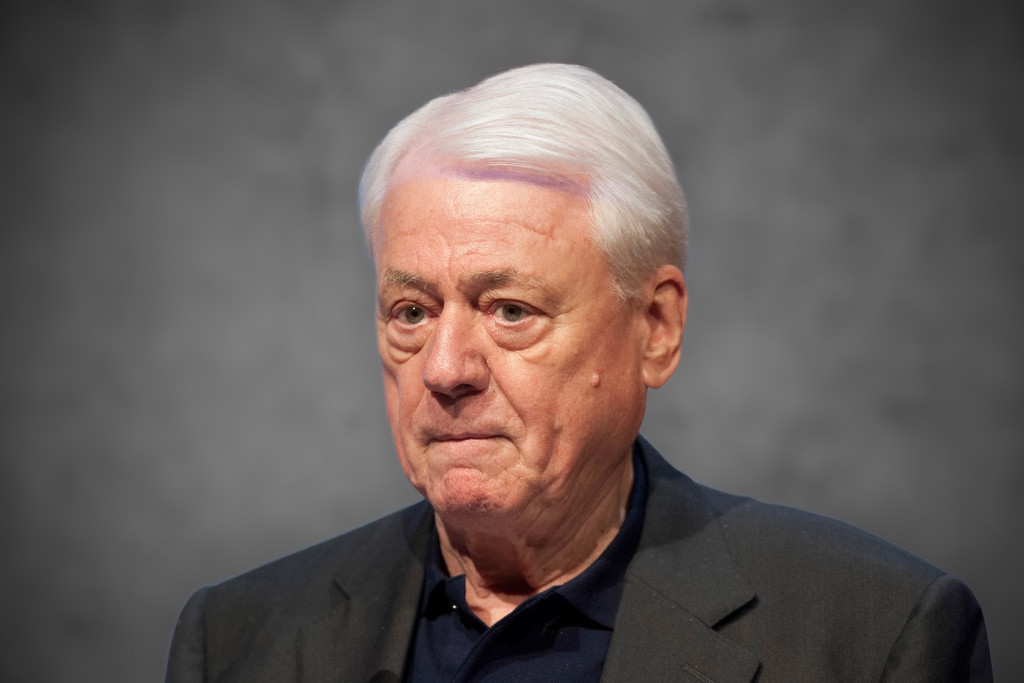
Frankfurt (Germany), 26 March (LaPresse) – Alexander Kluge, one of the leading figures of the New German Cinema and a central figure in post-war European culture, has died at the age of 94. A director, writer, producer and thinker, he passed away on Wednesday in Munich, as confirmed by his family via the publisher Suhrkamp. The news comes just a few weeks after an interview in which Kluge recalled his long-time friend Jürgen Habermas, who passed away recently, noting that he was still making plans right up until shortly before his death. Born in 1932 in Halberstadt, Kluge’s worldview was profoundly shaped as early as his teenage years: at the age of 13, he survived a bombing raid during the Second World War, an experience that would influence his entire intellectual and artistic output. After studying law, history and sacred music, he began his career as a lawyer, before turning to cinema thanks in part to the influence of Theodor W. Adorno, who facilitated a formative experience with the director Fritz Lang. From there began a journey that would make him one of the leading innovators of German cinema. In 1962, he was among the signatories of the Oberhausen Manifesto, the founding document of New German Cinema. In the 1960s and 1970s, he established himself as one of its most influential figures, with works such as ‘Goodbye to the Past’, ‘Artists Under the Big Top: Perplexed’ and ‘In Danger and in the Greatest Difficulty, the Golden Mean Leads to Death’. Among his best-known works is also the collective film ‘Germany in Autumn’ (1978), made in collaboration with filmmakers such as Volker Schlöndorff, Rainer Werner Fassbinder and Edgar Reitz. At the same time, Kluge was a leading figure on the literary scene as a member of Group 47, contributing to the cultural renaissance of post-war Germany with short stories, philosophical essays and texts on cultural theory. Regarded as a well-rounded intellectual, he spanned cinema, literature and the media with an original and deeply analytical style.
© Copyright LaPresse
