

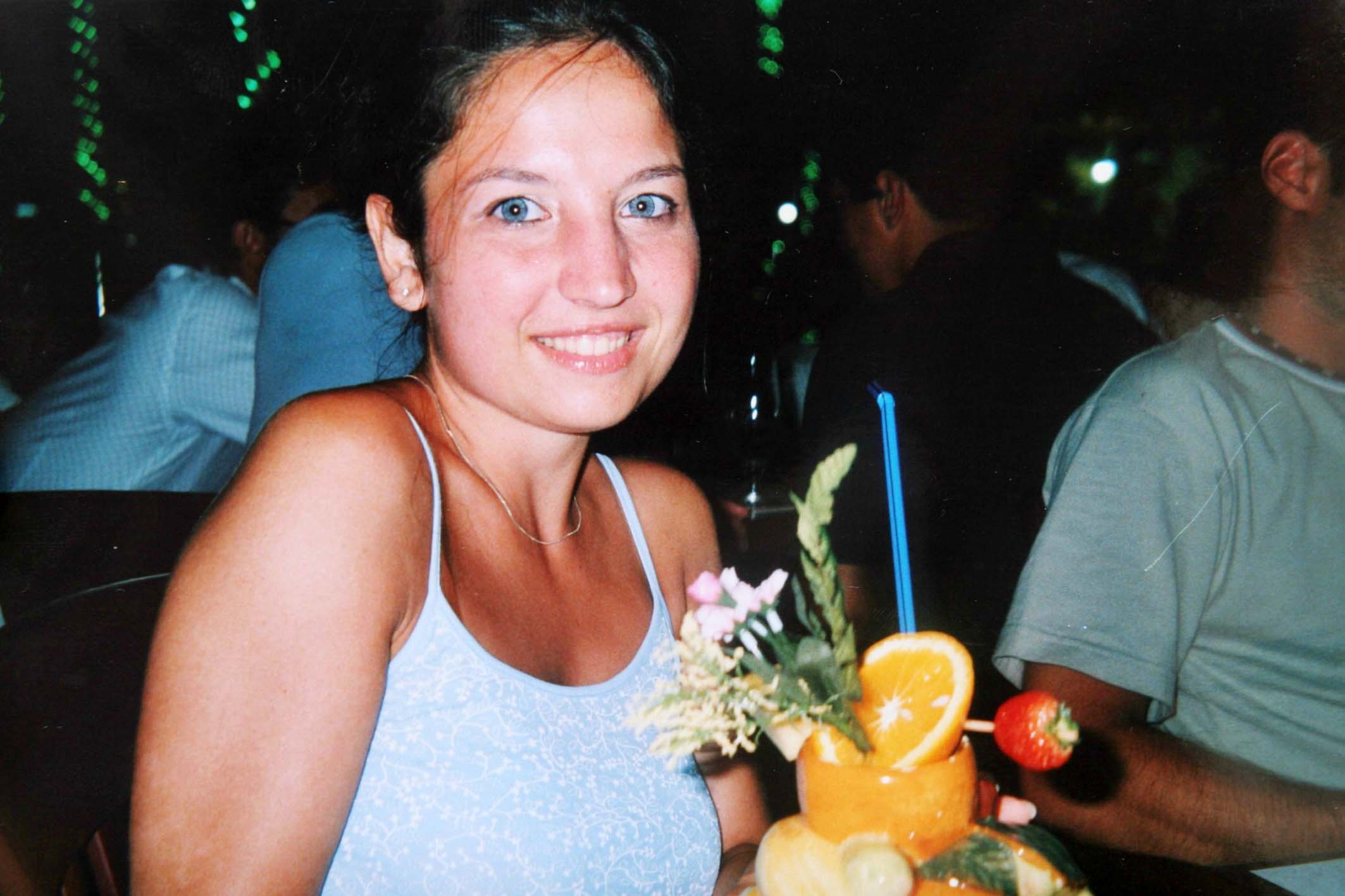
Milan, 8 May (LaPresse) – Chiara Poggi died within a “time window” between “7” am and “12.30” pm on 13 August 2007. These are the “conclusions” of Professor Cristina Cattaneo in her expert report for the Pavia Public Prosecutor’s Office in the investigation into Andrea Sempio for aggravated murder, in which she re-evaluated all the forensic data collected at the time of the initial investigation in Garlasco. They have been reported by the Carabinieri of the Milan Investigative Unit in the documents of the file filed in the last few hours. According to Italy’s most famous pathologist, the widest time window, of over 5 hours (also identified in the convictions of Alberto Stasi), is the one to be considered “with the highest probability” for the death of the 26-year-old, as this is suggested by “the most solid scientific evidence”. Other methods of analysis, which are ‘less standardised and, overall, less precise/accurate’, tend instead to ‘narrow’ the estimate of the time of death towards the ‘most recent portion of that range’. Cattaneo writes that, “although some data suggest” that “the time frame” identified at the time by the coroner who conducted the post-mortem, Dr Ballardini, who had spoken of “a greater likelihood between 11:00 and 11:30”, might be “intuitively correct”, the ‘most solid scientific evidence leads us to consider the wider range’. For the professor, the ‘scientific data’ must be considered alongside “circumstantial” evidence such as the ‘deactivation of the alarm’ at the villa in Via Pascoli by Chiara Poggi at 9.12 am. One must also consider the ‘gastric contents’ in the victim’s stomach, the breakfast which is ‘entirely consistent with what was found on the sofa’ and indicates a ‘time of death likely falling between 30 minutes and approximately two to three hours after ingestion’.
© Copyright LaPresse
