

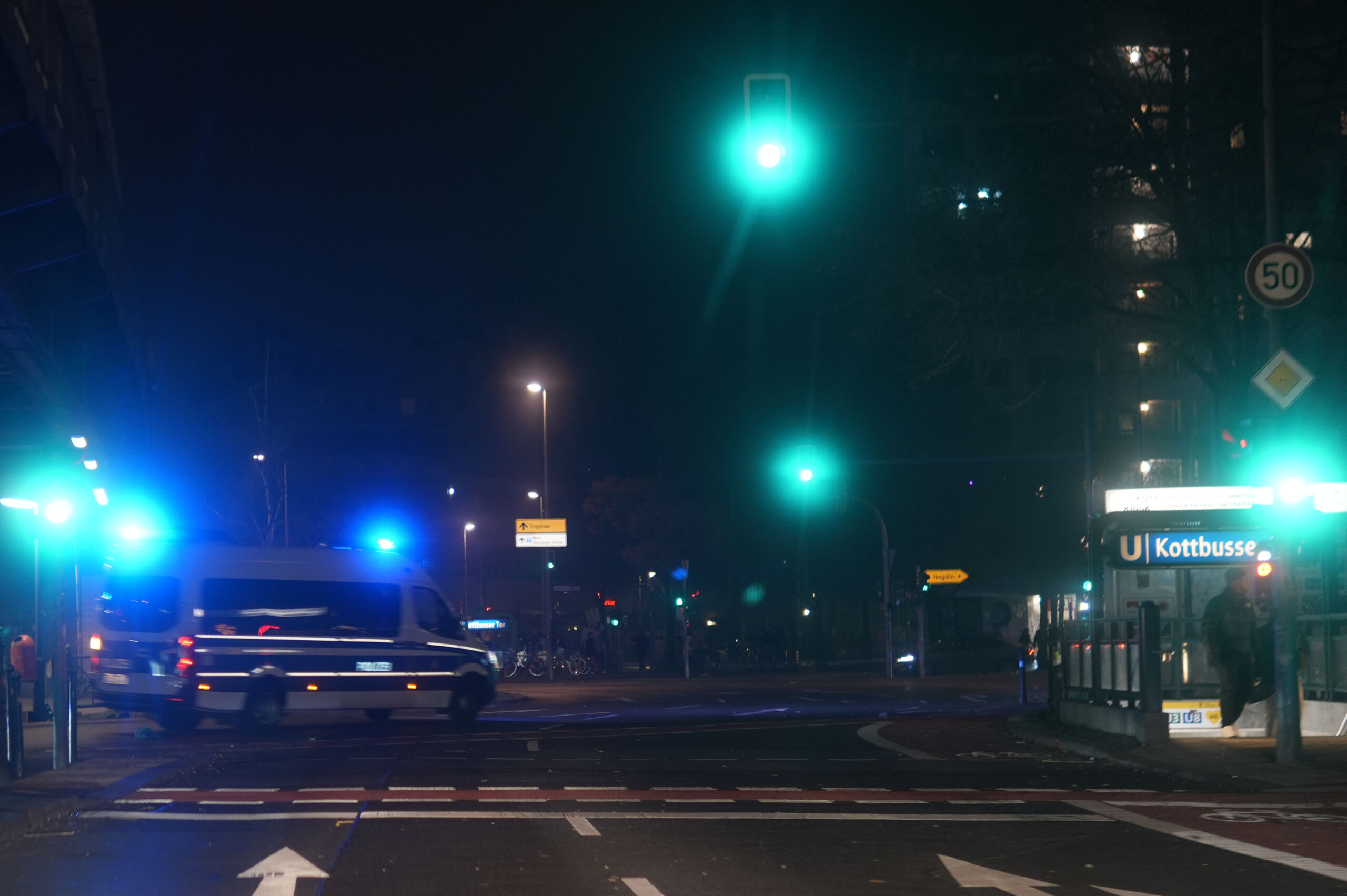
Frankfurt (Germany), 9 September (LaPresse) – Police believe that the serious blackout that hit south-east Berlin was caused by politically motivated arson. This hypothesis is supported by the choice of two electricity pylons as targets and the manner in which the attack was carried out. The investigation has been entrusted to the State Security Division of the Criminal Police Office, which is responsible for politically motivated crimes. The alarm was raised at 3:00 a.m. Firefighters extinguished the flames in about an hour, but the thick cables of the two poles along Königsheideweg were severely damaged. According to initial findings, the perpetrators used an accelerant, probably petrol. The blackout left around 43,000 households and 3,000 businesses without electricity. Two nursing homes were evacuated and several patients were transferred to hospital. The affected areas include Altglienicke, Grünau, Adlershof, Spindlersfeld, Alt-Johannisthal and Oberschöneweide. The police reported widespread traffic disruption: traffic lights out of service, some trams suspended and traffic restrictions. Officers and patrols are regulating the most critical intersections. Communications are also compromised: the emergency numbers 110 and 112 cannot be reached and there may be interruptions to the mobile and fixed telephone networks. In case of emergency, citizens are advised to go directly to the nearest police station or fire station. Berlin's Interior Senator Iris Spranger (SPD) has sent vans with loudspeakers to inform the population in the affected neighbourhoods and has announced the installation of emergency lights in the area. ‘I will be there in person this afternoon,’ she said. The traffic information centre warned residents in south-east Berlin to prepare for a ‘difficult day’. Although S-Bahn trains are running, various services at stations, from announcements to electronic displays, remain disrupted. According to Stromnetz Berlin, blackouts of this magnitude are exceptional: the last comparable case was in 2019, when more than 30,000 homes and 2,000 businesses in Köpenick were without power for 30 hours due to damage to a cable during construction work.
© Copyright LaPresse
